
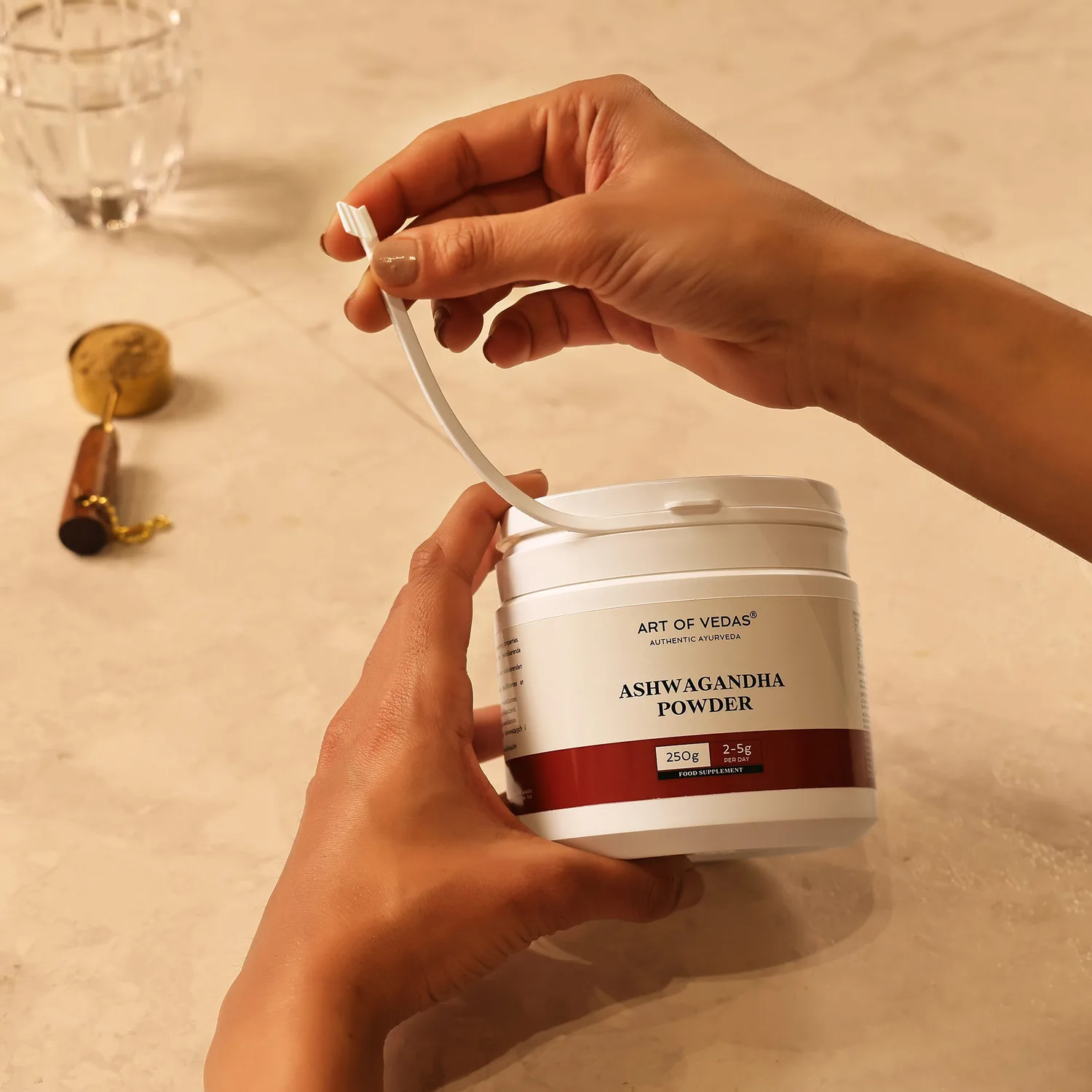
Ayurvedic Powders
Known as Churnam, these finely ground single-herb and compound powders are the oldest, most versatile form in Ayurveda, blended with warm water, ghee or honey. Explore Rasayana powders such as Ashwagandha and Shatavari alongside classical formulations like Triphala for your daily routine.
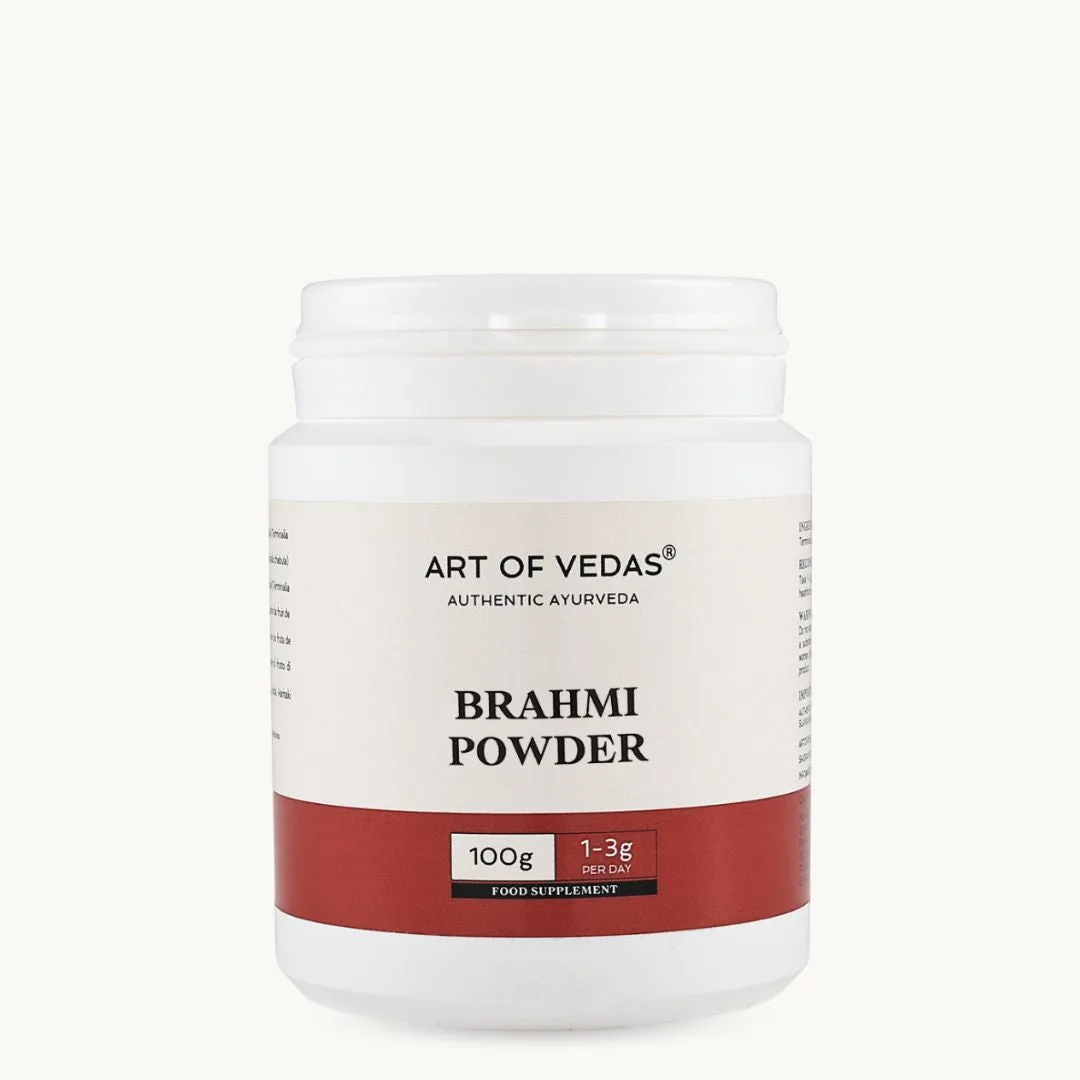
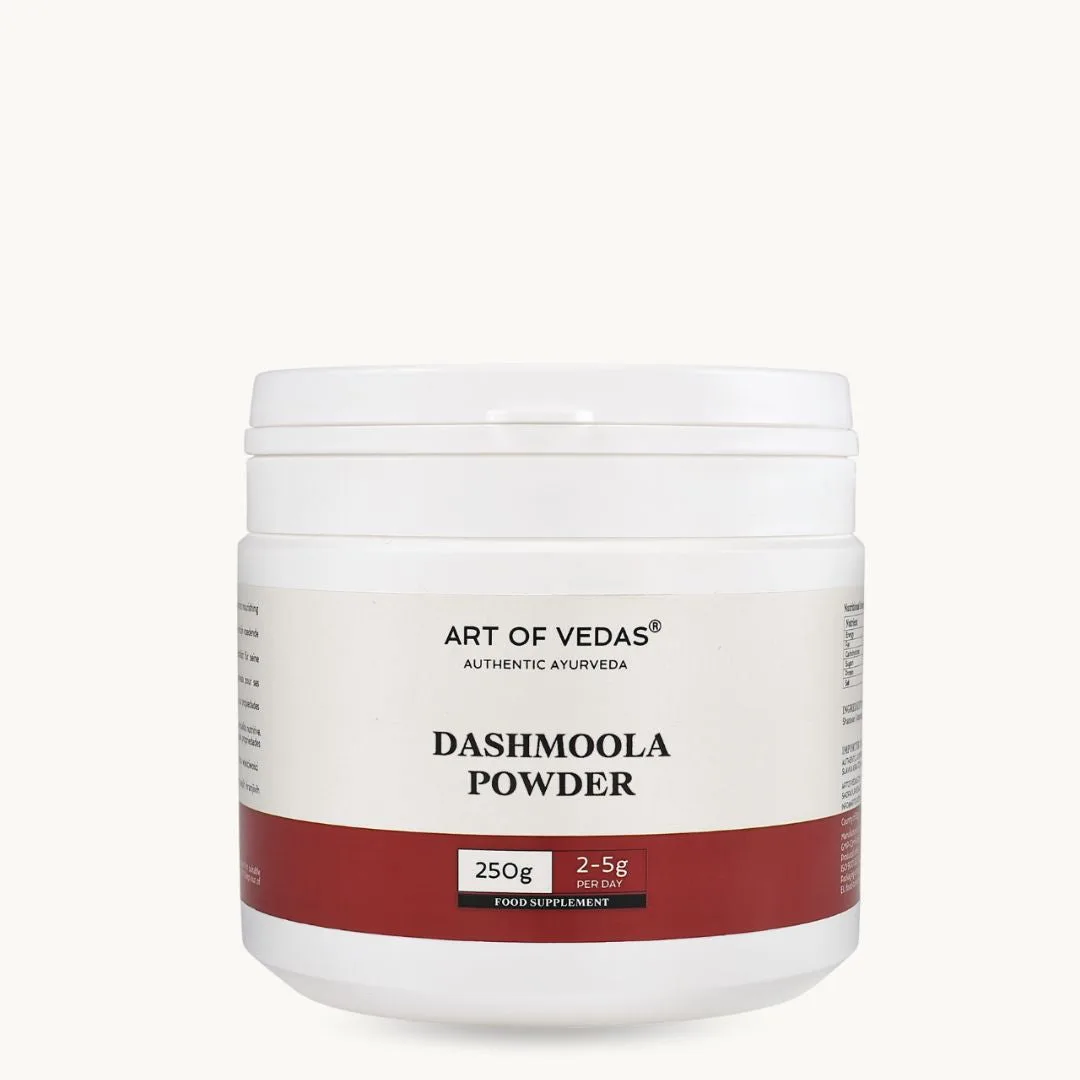
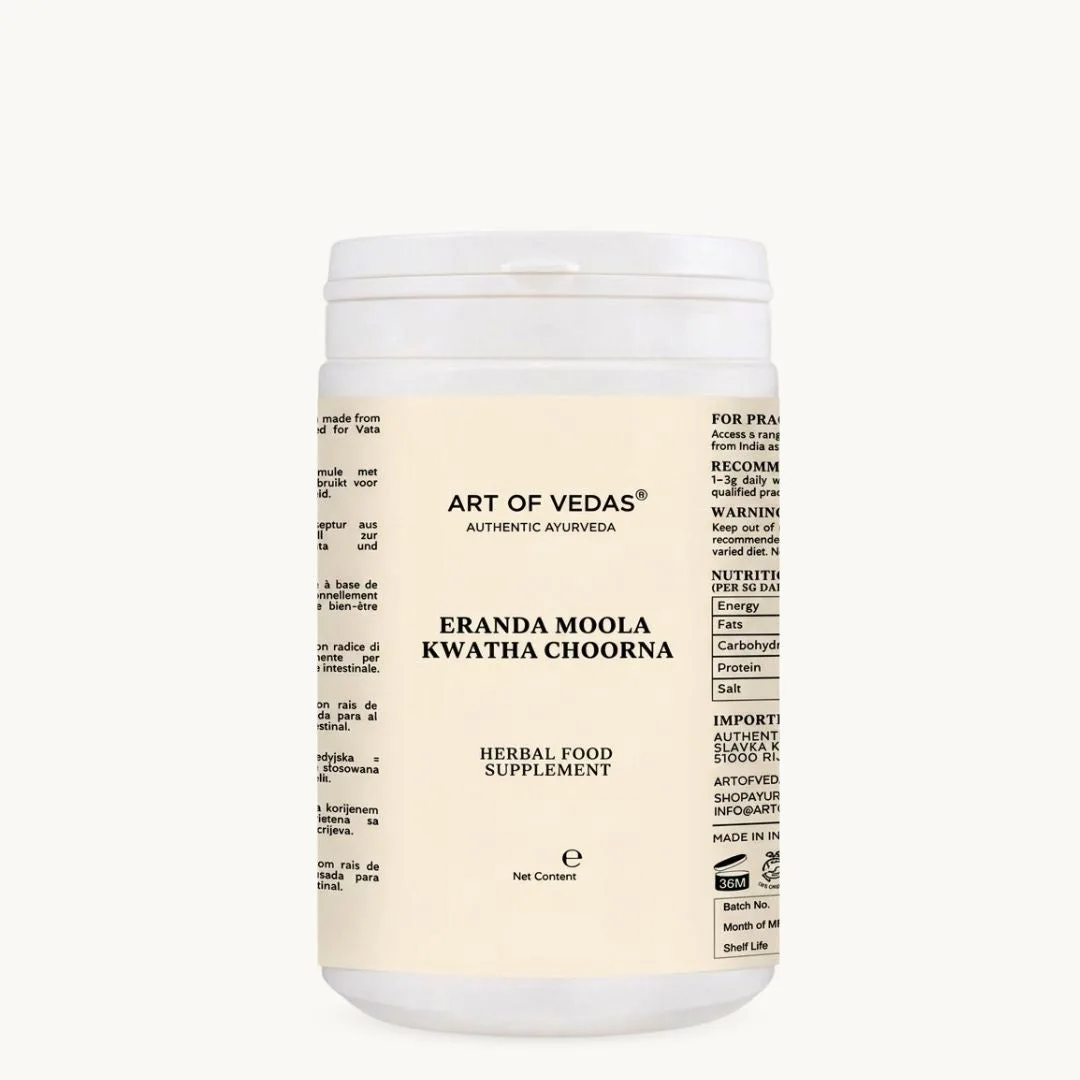
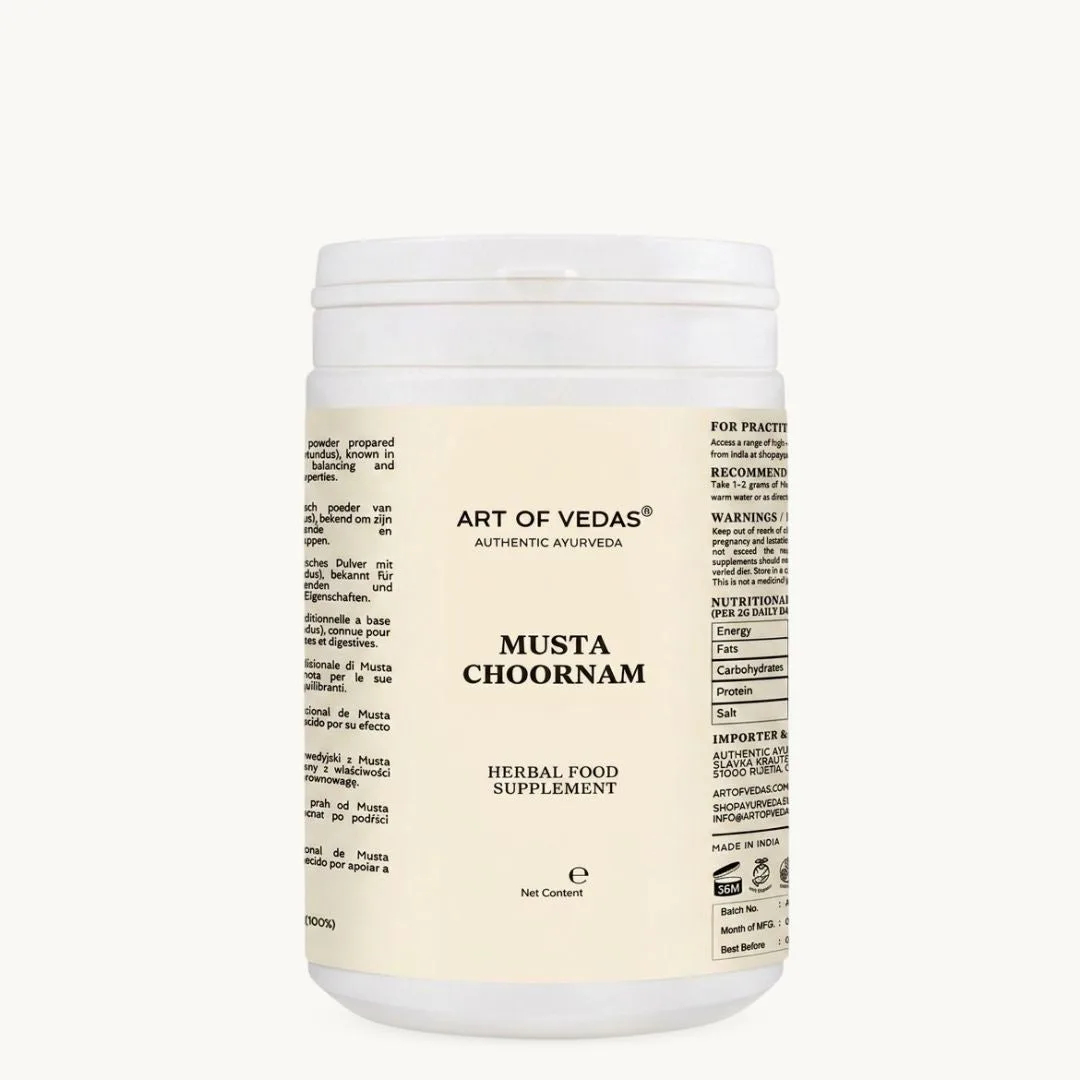
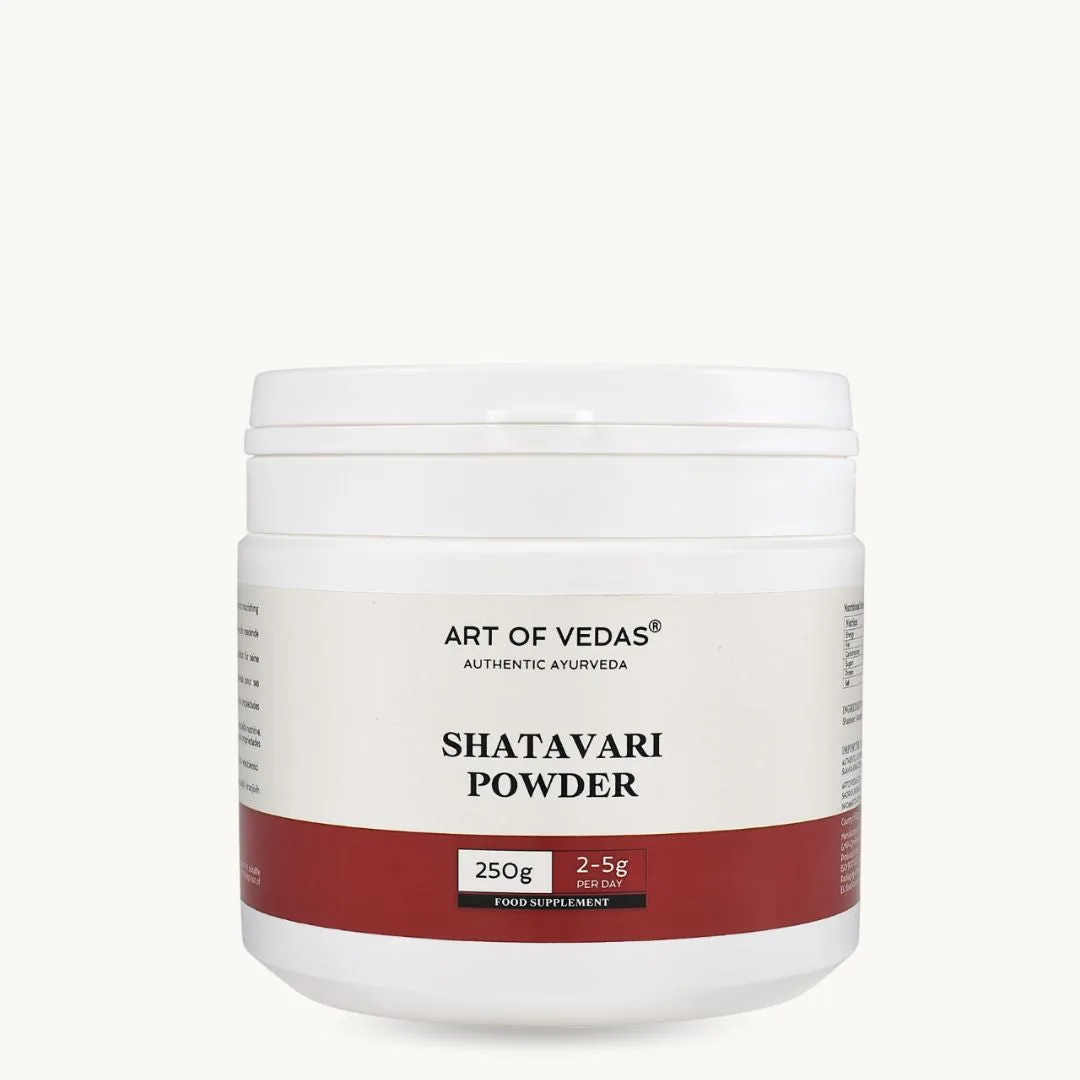
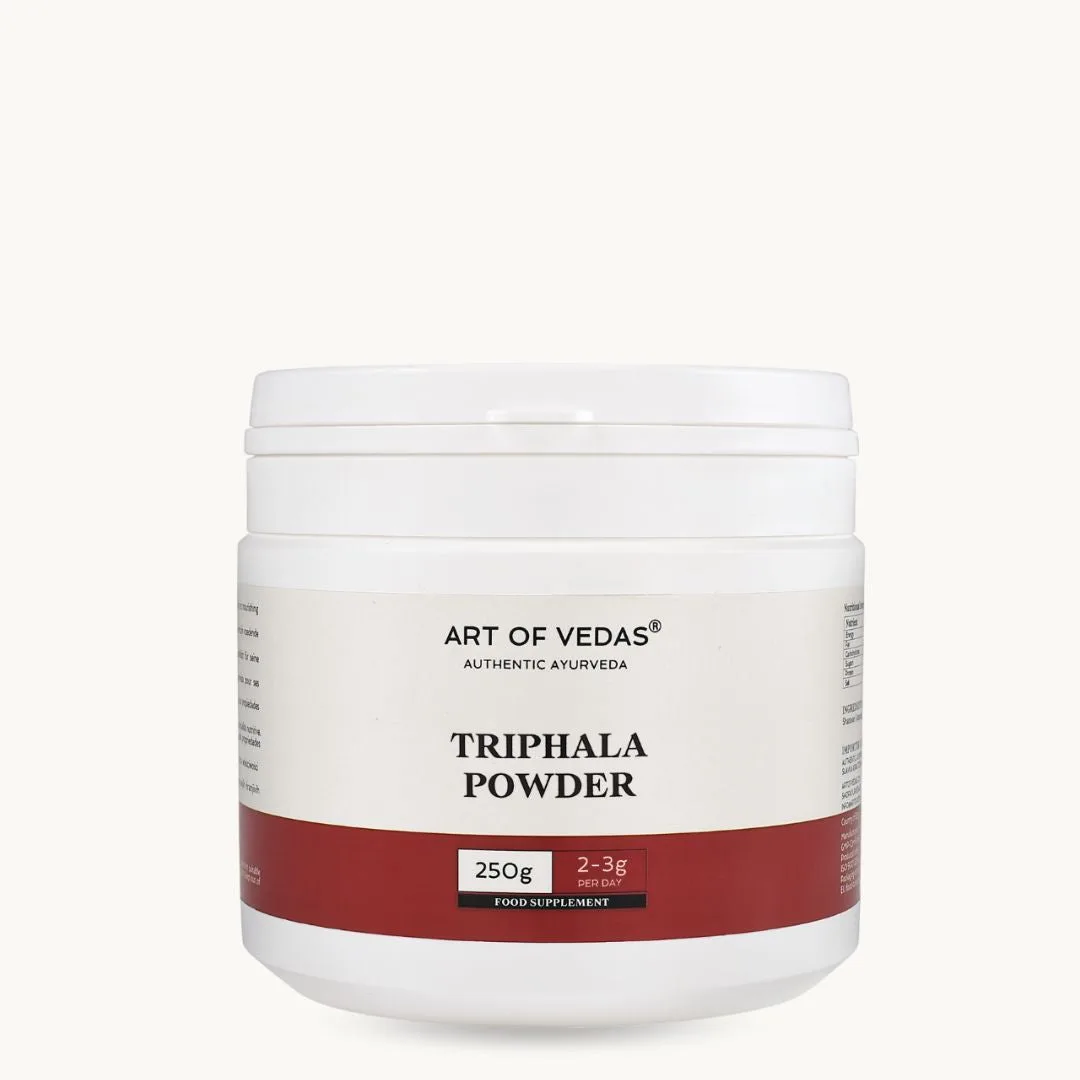
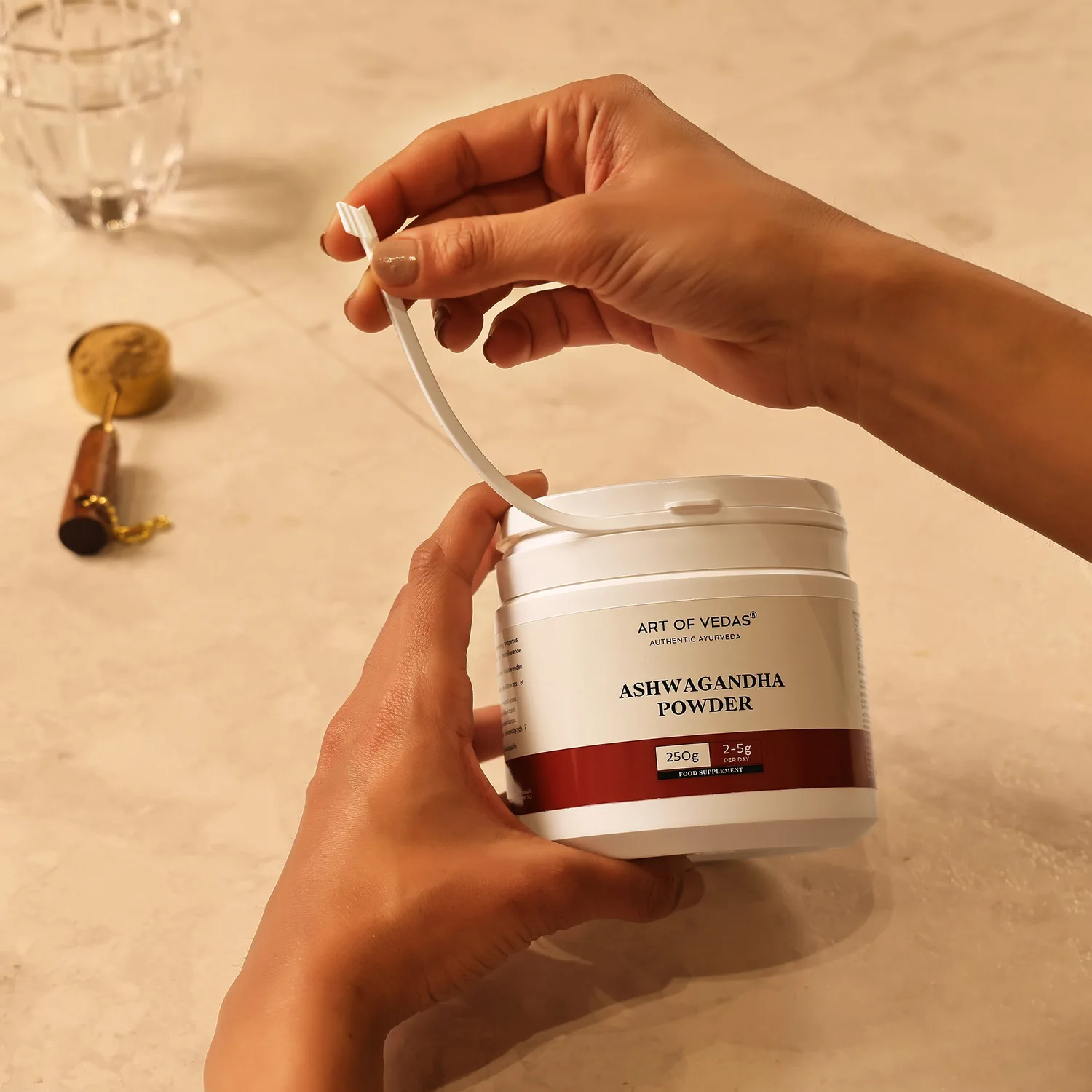
Churnam: the oldest form in the Ayurvedic apothecary
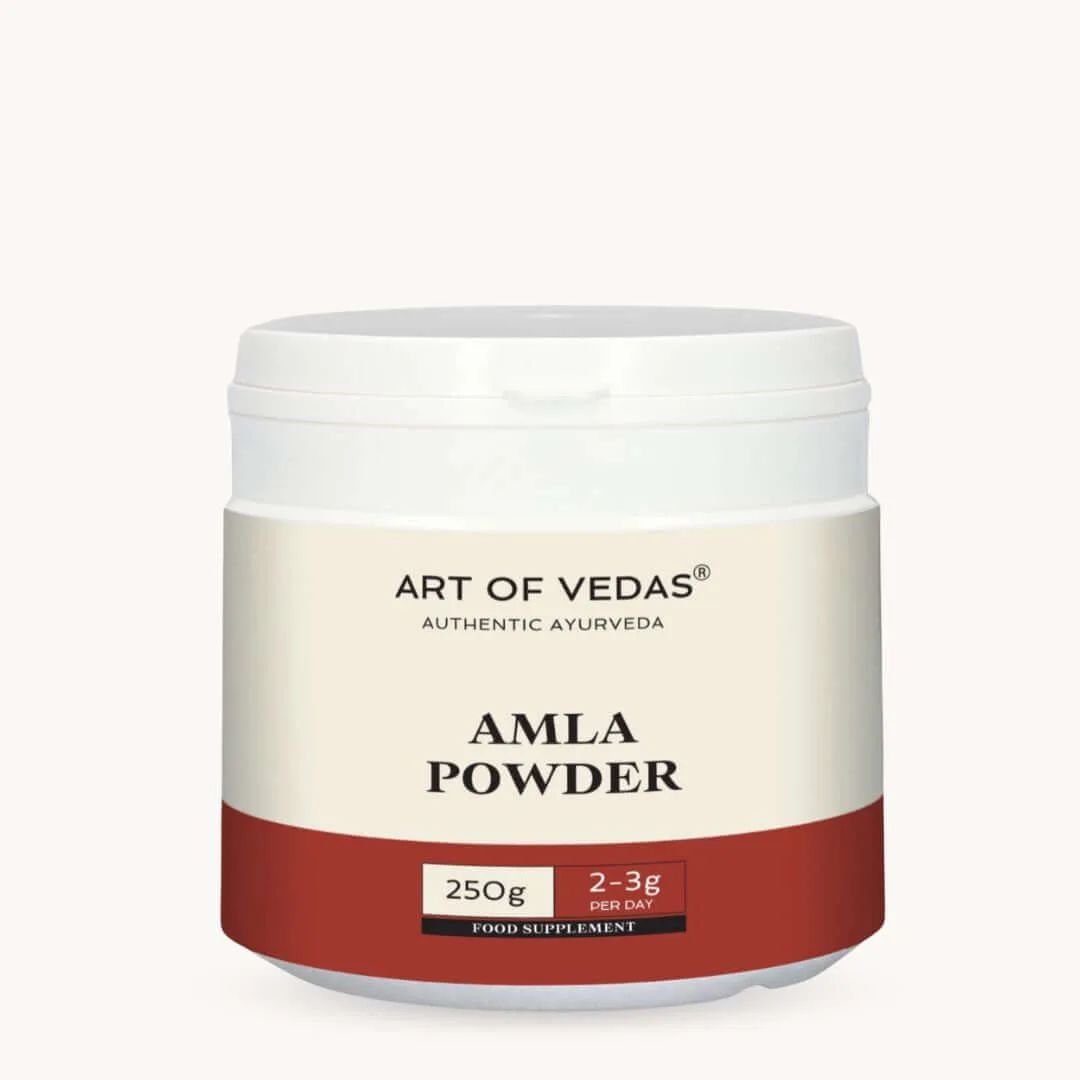
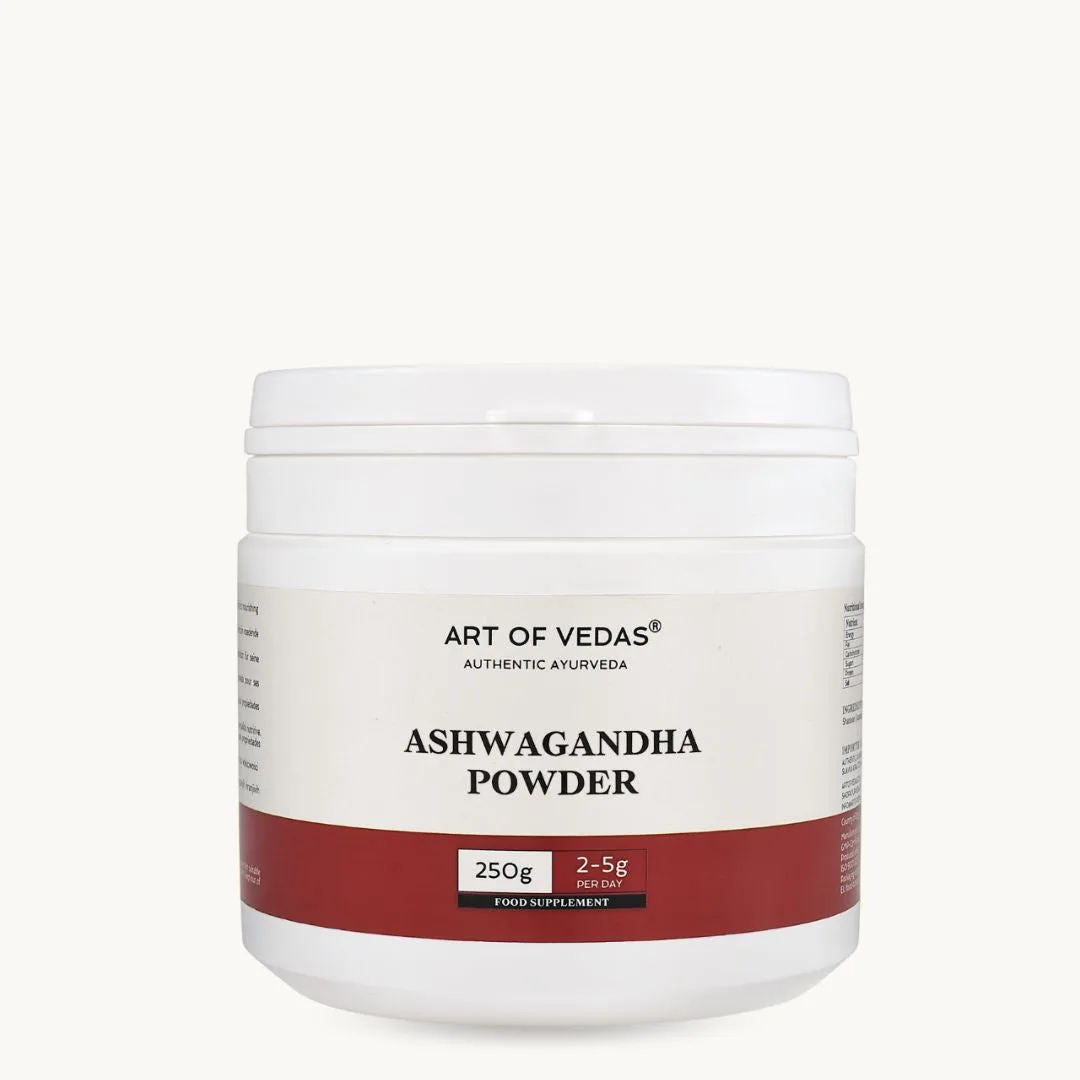
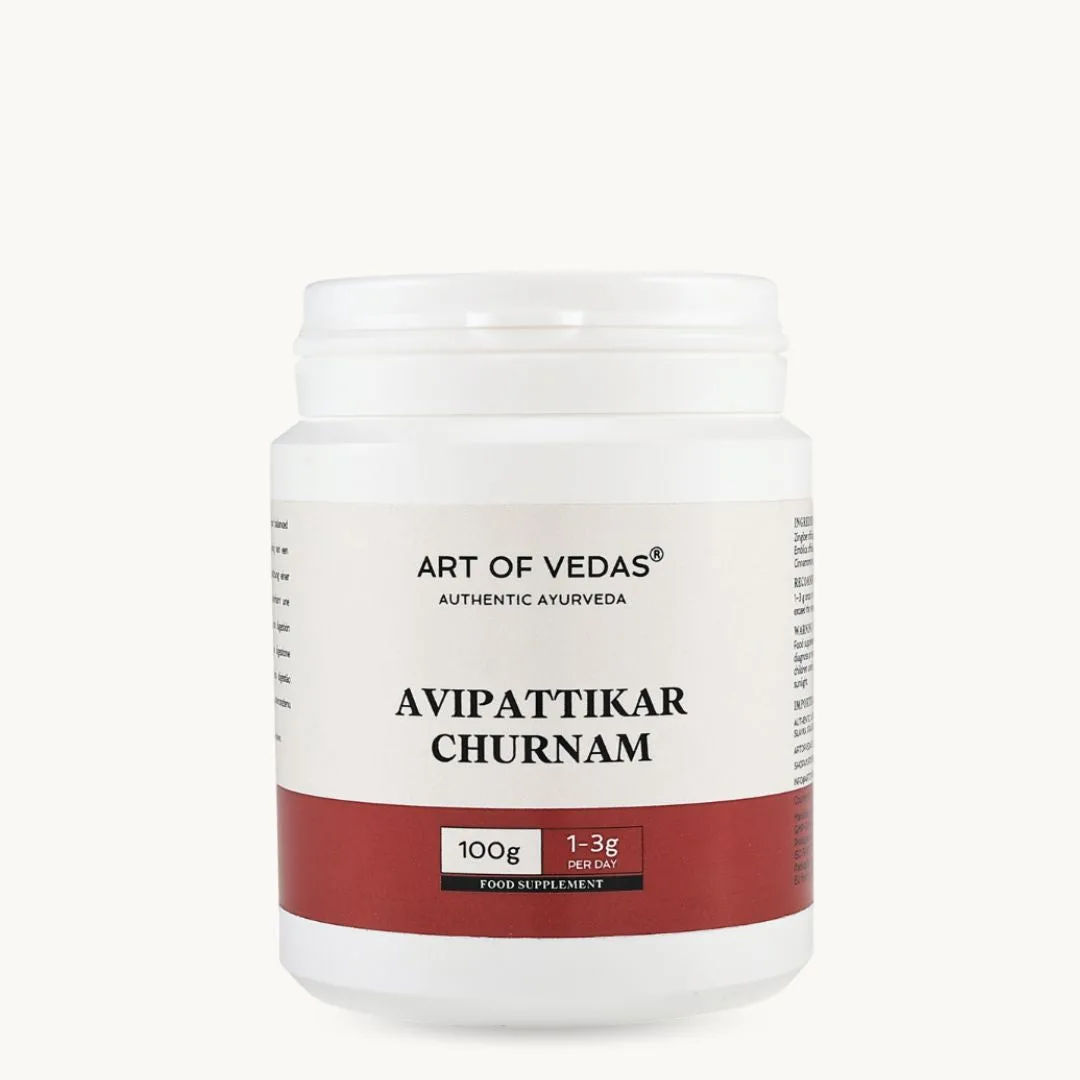
Ayurvedic powders, known as Churnam (finely ground herbal powder), are among the earliest and most adaptable preparations in classical practice, made from a single herb or from a compound blend ground together to a fine consistency. In this collection you will find single-herb Rasayana (rejuvenating) powders such as Ashwagandha, Brahmi, Shatavari and Amla, alongside classical formulations like Triphala, Avipattikar and Dashmoola, each prepared according to traditional method and rooted in the texts. How you take them depends on the herb: a Churnam may be stirred into warm water, mixed with honey, or taken with a little ghee, following long-standing Ayurvedic custom and the rhythm of your Dinacharya (daily routine). If you are new to powders, Triphala is the gentlest place to begin, being the most widely used formulation in the whole tradition, while a single-herb Rasayana suits you when you want one quality emphasised. For anything more specific, your Ayurvedic practitioner can guide the choice and the amount that fits your Prakriti (constitution).
Questions about Ayurvedic powders
What does the word Churnam mean, and how is a powder different from a capsule or oil?
Churnam simply means a finely ground herbal powder, prepared either from one herb or from several herbs combined in a classical recipe. Unlike a capsule, a powder lets you adjust the amount and the way you take it, mixing it with warm water, honey or ghee as the herb calls for. This is the oldest form in the Ayurvedic pharmacopoeia, valued because the whole herb is present in its ground state rather than reduced to an extract.
How do I take an Ayurvedic powder?
Most powders are stirred into a small amount of warm water and taken once or twice a day, often before or after meals depending on the herb. Some are traditionally combined with honey or with a little ghee, which acts as the carrier the classical texts call Anupana. We suggest beginning with a modest amount and keeping it consistent within your daily routine, and following the directions on the product or the guidance of your Ayurvedic practitioner.
Which powder should I choose if I am new to Ayurveda?
Triphala is the usual starting point, a balanced compound of three fruits that is the most widely used formulation in the whole tradition and gentle enough for daily use. If you would rather emphasise one quality, a single-herb Rasayana such as Ashwagandha for grounding or Brahmi for the mind gives you a clearer place to begin. From there you can let your needs, or your practitioner's advice, point you toward the compound Churnams.
What is the difference between single-herb powders and compound Churnams here?
Single-herb powders such as Amla, Ashwagandha, Brahmi and Shatavari give you one herb on its own, valued in classical Ayurveda as Rasayana, or rejuvenating, preparations. Compound Churnams such as Triphala, Avipattikar, Dashmoola and Erandamoola Kwath combine several herbs in a fixed traditional ratio set down in the texts, so the herbs work together as one formulation. You might reach for a single herb when you want a particular quality, and a compound when you want the balanced effect the classical recipe was designed for.
How do these powders relate to Dosha and constitution?
Ayurveda chooses herbs partly by their qualities, warming or cooling, grounding or light, and matches them to your Prakriti and the balance of Vata, Pitta and Kapha. A grounding Rasayana like Ashwagandha is traditionally turned to for Vata, while a cooling herb such as Shatavari is often associated with Pitta. Because constitution differs from person to person, an Ayurvedic practitioner is the best guide to which powder, and how much, suits you.
How should I store my powders to keep them fresh?
Keep each powder in its sealed container in a cool, dry place away from direct sunlight, and close it firmly after every use, since ground herbs take up moisture from the air more readily than whole ones. Use a dry spoon rather than a damp one so no water enters the jar. Stored this way and used within the period marked on the pack, your Churnam will hold its aroma and colour.